By Alam Zeb Safi
LAHORE: The International Cricket Council (ICC) is keen to avoid a direct confrontation with the Pakistan Cricket Board (PCB) and is actively pursuing a diplomatic solution to the controversy that has deeply polarized the ongoing T20 World Cup.
According to sources, the ICC has remained in constant contact with the PCB in an effort to resolve Pakistan’s decision to boycott its February 15 Group A match against India in Colombo. The issue is considered extremely sensitive as Pakistan’s refusal to play could inflict massive financial losses on the ICC and significantly dent the revenues of the global event.
Sources said the ICC’s concerns intensified after PCB chairman Mohsin Naqvi publicly cast doubt over Pakistan’s participation in the World Cup following Bangladesh’s exclusion from the tournament. In response, the ICC deputed its Deputy Chairman Imran Khawaja and Emirates Cricket Board (ECB) General Secretary Mubashir Usmani to engage with the PCB leadership.
Naqvi, who also serves as Pakistan’s Interior Minister, has reportedly met with Imran Khawaja in Dubai during an official visit. Both Khawaja and Mubashir Usmani are known to have close associations with the PCB.
Tensions escalated when the ICC Executive Board rejected Bangladesh’s request to shift its World Cup matches from India to Sri Lanka over security concerns. The board voted 14–2 against Bangladesh and issued an ultimatum, asking Dhaka to confirm participation or face replacement. The Bangladesh government stood firm, citing security risks, leading the ICC to replace Bangladesh with Scotland.
The decision angered Naqvi, who is also the chairman of the Asian Cricket Council (ACC). He accused the ICC of double standards and announced that he would consult Prime Minister Shehbaz Sharif before making a final call on Pakistan’s participation.
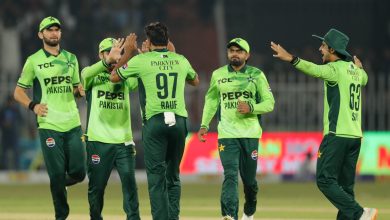
While Naqvi initially stated that a final decision would be announced by February 2, the PCB released a government statement on February 1, minutes after Pakistan completed a clean sweep of Australia in a three-match T20I series in Lahore confirming Pakistan’s participation in the World Cup but declaring it would not play against India on February 15.
Pakistan’s squad departed for Sri Lanka the following day. Shortly afterward, Prime Minister Shehbaz Sharif publicly endorsed the decision, calling it “well thought out.”
“We have taken a clear stand regarding the T20 World Cup that we will not play our game against India,” Sharif told a cabinet meeting.
“Sports should remain free of politics. We have taken this stand after careful consideration and we should stand fully with Bangladesh,” he added.
If Pakistan refuses to play India, the financial fallout for the ICC could be enormous, with World Cup revenues expected to drop sharply. For this reason, sources say, the ICC under the leadership of chairman Jay Shah is eager to avoid escalation and is pushing hard for a negotiated settlement.
Sri Lanka Cricket (SLC), a co-host of the tournament, has also urged the PCB to reconsider its decision. In a letter to the PCB, SLC warned that a boycott would cause serious financial harm to Sri Lanka, particularly its tourism sector which is still recovering from the economic crisis of recent years. The Sri Lankan board also reminded Pakistan of its support during times when international teams were reluctant to tour Pakistan due to security concerns.
Sources believe Bangladesh has been treated unfairly by the ICC. Historically, several teams have refused to travel for World Cup matches due to security fears without facing punitive action. During the 1996 World Cup, Australia and the West Indies declined to tour Sri Lanka. In 2003, England refused to play in Zimbabwe while New Zealand opted out of a match in Nairobi over security concerns. Similarly, in 2009, England denied visas to Zimbabwean players. In none of these cases did the ICC impose sanctions.
For now, Pakistan’s stance remains unchanged. However, with intense diplomatic efforts underway, sources suggest the situation could evolve rapidly in the coming days.