Pakistan keep options open on T20 World Cup participation after Bangladesh exclusion
"Had a productive meeting with the Prime Minister Mian Muhammad Shahbaz Sharif. Briefed him on the ICC matter, and he directed that we resolve it while keeping all options on the table. It was agreed that the final decision will be taken either on Friday or next Monday," Naqvi says.


By Alam Zeb Safi
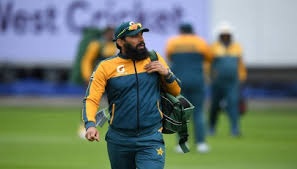
LAHORE: Pakistan has postponed a final decision on whether it will take part in the ICC Men’s T20 World Cup 2026, keeping open the possibility of a boycott in response to the controversial exclusion of Bangladesh from the tournament.
The Pakistan Cricket Board (PCB) chairman Mohsin Naqvi met Prime Minister Shehbaz Sharif in Islamabad on Monday to discuss Pakistan’s stance after Bangladesh, one of Pakistan’s closest cricketing allies, was removed from the tournament following its refusal to travel to India for matches citing security concerns. Bangladesh was replaced by Scotland, triggering a diplomatic and sporting outcry.
In a post on X late on Monday, Naqvi said the meeting with the prime minister was “productive” and that Islamabad had “directed that we resolve it while keeping all options on the table”. He said a “final decision” on Pakistan’s participation would be taken “either on Friday or next Monday”.
Pakistan are set to open their World Cup campaign against the Netherlands on February 7 in Colombo with subsequent matches against the United States, India and Namibia. The delay leaves less than two weeks to the tournament start.
The PCB has already named a 15-man squad led by Salman Ali Agha.
The controversy stems from the International Cricket Council’s (ICC) refusal to shift Bangladesh’s fixtures from India to co-host Sri Lanka, despite Dhaka’s security concerns after a diplomatic spat involving the removal of a Bangladesh fast bowler from the Indian Premier League. The ICC said independent assessments found no credible threat and changes so close to the event could undermine future tournament protocols.
Pakistan’s stance highlights growing regional tensions that have spilled into international cricket. Islamabad has publicly supported Bangladesh with officials and politicians describing their exclusion as unfair and symptomatic of inconsistent decision-making by the sport’s governing body.
Government sources said Prime Minister Sharif advised keeping “all possible support” for Bangladesh and reviewing Pakistan’s options, including playing in the tournament. Refusing to face India in their marquee February 15 fixture in Colombo is also being speculated, although no major hint from the PCB has been seen in that direction.
Cricket officials have stopped short of confirming a boycot¬t but the uncertainty has alarmed broadcasters and stakeholders. The India-Pakistan fixture is one of the most watched matches in global sport and a key revenue driver for the ICC and smaller cricket boards.
As Pakistan weighs its options, the decision will have wide-ranging implications not just for its World Cup campaign but for the broader governance and geopolitics of international cricket.